
We understand that oral health often takes a back seat until we experience discomfort. Strong teeth rely on healthy gums as their foundation, but it’s easy to overlook subtle signs that this foundation may be weakening. Gum disease, or periodontal disease, develops quietly in its early stages. Early symptoms are often mild and painless, which is why many people ignore them. Our goal is to help you recognize these key warning signs before they become serious dental issues. By staying attentive to your daily routine, you can catch early problems and take action right away.
Recognizing the early signs of gum disease helps you protect your dental health for years to come. Staying informed is one of the best ways to prevent more serious oral health problems. In this article, we’ll review three common early signs of gum disease, explain what causes them, and discuss practical steps you can take to manage these issues and keep your smile healthy.
Inflamed, Crimson, or Sensitive Gums
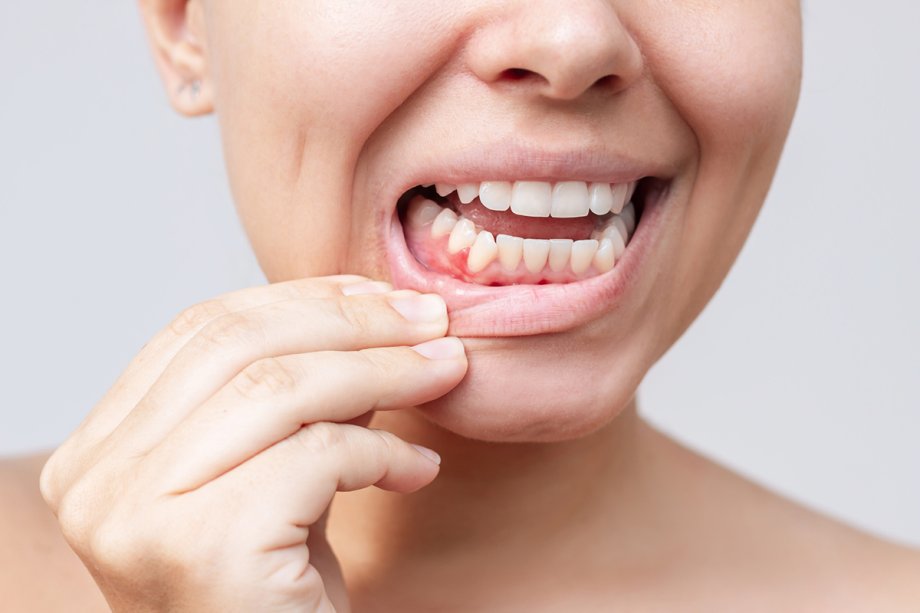
Healthy gums are usually firm, pale pink, and fit tightly around your teeth. They help shield your teeth from harmful bacteria and support overall oral health. When plaque builds up along the gumline, your body responds by increasing blood flow to that area, which can make the gums look red and swollen. You might also notice sensitivity or a dull ache when eating or brushing. Ignoring these early changes gives bacteria more time to spread below the gumline, increasing the risk of gum disease.
How Tissue Swelling Happens
Plaque that remains on teeth for several days hardens into tartar, also called calculus. Tartar forms a rough surface where more bacteria can gather, worsening inflammation and irritating your gums. Ongoing irritation can weaken the natural connection between your gums and teeth. Swollen gums may look puffy and begin to recede, which can sometimes make your teeth look longer and increase sensitivity.
Knowing When to Get Clinical Help
It’s important to pay close attention to any changes in your gums, such as color or firmness. If your gums stay red or swollen for more than a week, even with regular brushing and flossing, it’s time to see a dental professional. Scheduling an appointment allows our team to check the extent of the inflammation and perform a thorough cleaning to remove tartar before it can lead to further complications.
Spotting Blood During Your Daily Routine
Many people think a small amount of blood after brushing is normal. In reality, healthy gums should not bleed with regular brushing and flossing. Bleeding gums are often an early warning sign of gingivitis, which is the first stage of gum disease. When bacteria build up along the gumline, they make the tiny blood vessels in your gums more likely to break, even with gentle cleaning. Ignoring bleeding allows the infection to worsen and spread further in your mouth.
Debunking the Normal Bleeding Fallacy
It’s a common reaction to stop flossing when you see blood, thinking the floss is causing harm. In reality, this can make things worse. If you stop brushing or flossing, plaque remains, which can lead to more infection and irritation. We recommend maintaining a gentle but consistent oral care routine, even if you notice some bleeding, because regular cleaning helps reduce the bacteria that cause gum problems.
The Impact of Excellent Hygiene
Using a soft-bristled toothbrush and proper flossing technique can help stop early gum disease. Angle the bristles gently toward the gumline to remove plaque without damaging your enamel. If you still notice bleeding after two weeks of careful brushing and flossing, it’s time to see a dental professional for further evaluation and treatment.
Lingering Odor or Unpleasant Taste
Persistent bad breath—also called halitosis—often signals an underlying dental issue rather than something you ate. The bacteria that cause gum disease live in the hard-to-clean spaces between your teeth and gums. As they break down food particles and dead cells, they produce foul-smelling gases. Along with bad breath, you might notice a constant, unpleasant, or metallic taste in your mouth that doesn’t go away with rinsing or mints.
The Impact of Hidden Microbes
Breath fresheners and rinses only mask bad breath for a short period. They don’t reach the deep pockets where bacteria that cause gum disease thrive. Over time, these bacteria can damage gum tissue and supporting structures. If you notice a persistent bad taste in your mouth, it’s a clear sign to schedule a dental appointment as soon as possible so we can address any infection before it leads to more serious problems.
Discovering Professional Treatment Solutions
When gum disease causes bad breath or an unpleasant taste, professional treatment is needed to address the underlying cause. Removing the bacteria deep below the gumline requires advanced techniques and the expertise of a periodontist. Our team specializes in periodontics to treat these infections, restore gum health, and address the cause of persistent odor. With the right care, you can enjoy fresh breath and improved confidence.
Shield Your Smile From Future Complications
Taking prompt action when you notice early signs of gum disease can protect your teeth and support your overall health. We encourage you to pay attention to changes in your gums, such as redness, bleeding, or swelling, and to seek care rather than ignore them. Early treatment is often simple, less invasive, and highly effective. By working together with our dental team, you can develop a prevention plan that keeps your gums healthy and helps maintain your smile for years to come.
Frequently Asked Questions About Periodontics
What triggers periodontal disease in the first place?
The main cause of gum disease is the buildup of bacterial plaque on your teeth and gums. If plaque is not removed through daily brushing and flossing, it hardens into tartar, which can lead to inflammation and infection of the gum tissue. Poor oral hygiene is the leading risk factor, but smoking, genetics, and certain medical conditions can also increase your chances of developing gum disease.
Is it possible to reverse the early stages of gum disease?
Yes, you can reverse gingivitis, which is the earliest stage of gum disease. At this point, the infection hasn’t yet damaged the bone or ligaments that support your teeth. With a combination of professional dental cleanings and good daily brushing and flossing at home, your gums can return to a healthy state. If gum disease progresses beyond gingivitis, we can help control it and prevent further damage, but the changes to the supporting structures are usually permanent.
We are committed to providing quality dental care and supporting the health of our community. Our team works hard to help you achieve and maintain a healthy, confident smile. If you have concerns about your gums or need a routine checkup, please reach out to us today to schedule your visit.