
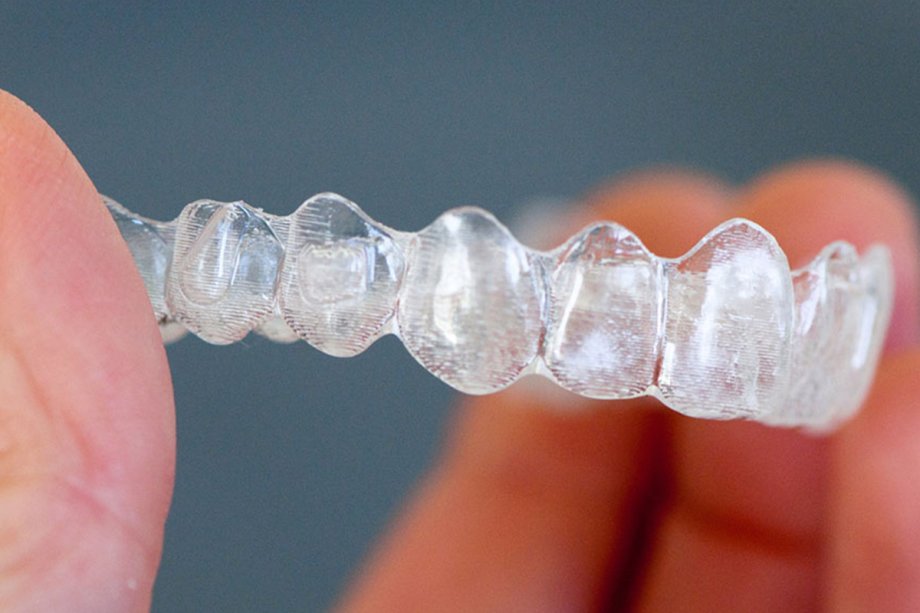
If you’re starting Invisalign or already wearing aligners, you want results you can truly smile about. We know every patient is excited by the clear look, comfort, and promise of Invisalign, but your daily choices make all the difference in how your teeth move and how quickly you achieve your new smile. Our experience shows that small habits—good or bad—shape your outcome, and we want to empower you to get the most from your treatment.
Achieving your dream smile is exciting, and we're here to support you on every step of your Invisalign journey. We want you to feel confident, motivated, and equipped with the knowledge to get the best possible results. That's why we’re sharing the 10 most common mistakes we see with Invisalign®, along with clear, practical tips to help you stay on track and enjoy the smoothest path to straighter teeth.
Mistake #1: Not Wearing Aligners Long Enough Each Day
Invisalign aligners only move teeth effectively when we commit to wearing them for 20 to 22 hours per day and follow regular orthodontic guidance. If we take aligners out too often, teeth do not move as planned. Even leaving them out for a few extra hours each day adds up quickly.
We always recommend removing aligners solely for eating, drinking anything besides water, brushing, and flossing. Establishing this habit early allows treatment to progress on schedule. If aligners feel tighter than usual after you reinsert them, you may have left them out too long.
Mistake #2: Changing Trays Too Early or Too Late
Each set of aligners follows a specific schedule set by the dentist or orthodontist. Advancing too early applies excessive pressure on teeth, while waiting too long interrupts progress.
Follow the prescribed schedule and contact your provider if a tray doesn't fit well near the end of the wear period. By staying on track, we guide treatment safely and efficiently.
Mistake #3: Eating or Drinking With Aligners In
We always remove aligners before every meal and snack. Chewing with trays in cracks or warps the plastic. Many drinks stain trays or trap sugar and acid against teeth, raising your risk of cavities.
Stick to water while wearing aligners. Remove trays before drinking coffee, tea, soda, juice, sports drinks, or wine, and brush your teeth before putting your aligners back.
Mistake #4: Putting Aligners Back In Without Brushing
If we trap food particles and plaque under aligners, bacteria flourish, leading to bad breath, additional plaque buildup, cavities, or gum problems.
Brush after every meal or snack before reinserting your trays. If brushing isn't possible, rinse your mouth well with water as a backup, though proper brushing remains essential. Clean teeth and clean trays keep your mouth healthier throughout treatment.
Mistake #5: Cleaning Aligners the Wrong Way
Some people mistakenly use hot water, whitening toothpaste, or harsh soaps to clean their aligners. Hot water warps trays, while abrasives create scratches that cloud the surface.
We find gentle cleaning works best. Rinse aligners often and clean them with a soft toothbrush and clear, mild soap or dentist-approved methods. Clean trays stay comfortable, discreet, and fresh all day.
Mistake #6: Skipping Checkups
Fewer office visits do not mean you should skip check-ins. Every visit allows your dentist or orthodontist to check fit, tooth movement, attachments, and progress. If you miss appointments, small issues can grow into bigger setbacks.
We schedule routine checkups to spot problems early. Maybe a tray no longer tracks, an attachment fell off, or we need a refinement plan. These visits keep teeth moving on schedule.
Mistake #7: Losing or Damaging Trays
Since we remove aligners multiple times a day, they can easily get misplaced. Wrapping them in napkins at lunch often results in accidental disposal. Pets can damage trays left unsecured.
We always store aligners in their case when not in use. With one simple habit, we can avoid many unnecessary treatment delays. If you lose or break a tray, contact your dentist promptly for the next steps.
Mistake #8: Ignoring Attachments or Elastics Instructions
Some Invisalign plans require small tooth-colored attachments to precisely guide movement, while others include elastics to correct bite issues. If you do not wear elastics as directed or misunderstand the role of attachments, the treatment plan will stall.
We always explain that these tools are essential, not optional. If you lose an attachment or have questions about elastics, call the office immediately so we can keep your progress on track.
Mistake #9: Expecting Invisalign to Work Without Discipline
Invisalign gives us flexibility, but we need to use that flexibility responsibly. Since aligners are removable, success depends on good daily habits. Without consistency, progress slows, and frustration grows.
Following simple routines—wearing trays as instructed, storing them properly, keeping them clean, and following your provider’s advice—yields the best results. Invisalign works best when we treat it as a complete treatment plan rather than a convenience.
Mistake #10: Assuming Treatment Ends When the Last Tray Is Done
Wearing the final aligner doesn't always mean treatment has finished. Retention remains crucial because teeth often shift after orthodontic movement. Most patients need retainers to stabilize results.
We explain retention before treatment wraps up. Wearing a retainer as directed protects your investment of time and effort. If you skip this critical step, your teeth may shift, undoing some of your progress.
A Strong Finish Starts With Better Habits
When we avoid common mistakes, Invisalign treatment becomes smoother, cleaner, and more predictable. Wearing trays as instructed, keeping them clean, showing up for checkups, and following all guidelines give our teeth the best chance to move efficiently. Strong habits safeguard both your aligners and your final results.
Frequently Asked Questions About Invisalign
How many hours a day should we wear Invisalign aligners?
We recommend wearing Invisalign aligners for 20 to 22 hours per day. Remove them only for eating, drinking anything except water, brushing, and flossing.
Can we drink coffee with Invisalign in?
No, always remove aligners before drinking coffee. Coffee can stain trays, and hot liquids may warp the plastic. Sugary coffee drinks also trap sugar under the trays.
What should we do if we lose an Invisalign tray?
Contact your dental office as soon as possible for specific guidance. Depending on your treatment stage, your provider will tell you whether to use the previous tray, switch to the next, or wait for a replacement.
Do we still need to brush and floss more often during Invisalign treatment?
Yes, thorough brushing and flossing remain essential. Aligners fit closely over teeth, so cleaning your mouth before putting trays in helps prevent plaque, cavities, and gum issues.
Do teeth move back after Invisalign treatment?
Teeth may shift if you do not wear your retainers as recommended after active treatment. Retainers secure your new tooth positions and reduce the risk of relapse over time.
We are Smiles on the Upper Westside, and we provide dental care for patients and families in New York City with a focus on personalized treatment and long-term oral health. We help our community navigate options like preventive care, cosmetic dentistry, and orthodontic solutions with clear guidance and compassionate support. To learn more or schedule a visit, reach out to us.