
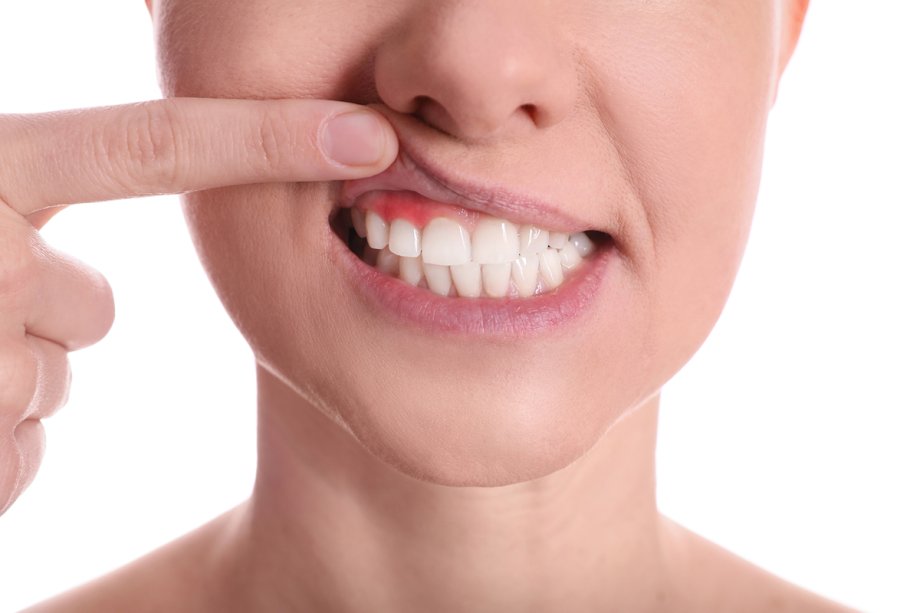
Gum disease affects many adults, yet most people fail to notice the symptoms until the infection has advanced. At our Upper West Side practice, we frequently treat patients who are surprised to learn that bleeding gums or persistent bad breath indicate they need more than a standard six-month checkup. When plaque and tartar accumulate below the gumline, inflammation develops, and gums detach from the teeth, creating pockets where bacteria thrive. To combat this infection and restore oral health, we perform a specialized procedure called scaling and root planing, or more commonly, a deep cleaning.
We focus on empowering our patients with knowledge so they feel confident and comfortable about their dental care. A deep cleaning serves as the first line of defense against periodontitis—the advanced stage of gum disease that leads to bone and tooth loss. This non-surgical treatment prevents the disease from worsening by removing the source of infection and creating an environment that allows your gums to heal. In this article, we outline precisely what you can expect during and after this crucial procedure so you can prepare for your appointment.
Understanding the Diagnosis and Necessity
We recommend a deep cleaning only after we complete a thorough periodontal evaluation and determine that a standard cleaning cannot treat your gum condition. During your exam, we use a probe to measure the depth of the spaces between your teeth and gums, known as periodontal pockets. Healthy pockets usually measure between one and three millimeters. If we find pockets at four millimeters or deeper, we have evidence that gum disease has developed, and home care can no longer reach the bottom of these spaces to clean them effectively.
The Progression of Infection
When plaque sits on teeth, it hardens into tartar (calculus), a rough, porous substance that harbors bacteria and irritates gum tissue. As tartar builds up below the gumline, it triggers an immune response. Your body tries to fight the bacteria by releasing enzymes, but these enzymes also destroy gum tissue and the bone that supports your teeth. This destructive cycle defines periodontics and periodontal disease. If we do not take action, the pockets deepen, the bone recedes, and eventually, the teeth loosen. Through a deep cleaning, we break this cycle by physically removing the irritants that fuel the infection.
Why Standard Cleaning Falls Short
Standard cleanings focus on tooth surfaces above the gumline to prevent problems. Treating periodontitis with a standard cleaning would be like washing only the hood of a car while the engine is smoking—it addresses the surface but ignores the root problem. Because of this, we prescribe scaling and root planing, a treatment that cures an active infection instead of only preventing future issues.
The Deep Cleaning Procedure Steps
Many patients experience anxiety about dental procedures, but understanding each step helps reduce fear. We break the deep cleaning process into two main phases: scaling and root planing. Depending on the severity of the infection and your comfort level, we may complete both phases in a single visit or over two appointments. We always prioritize pain management and use local anesthesia to numb the area thoroughly, so you stay comfortable throughout treatment.
Scaling: Removing the Source
In the first phase, scaling, we carefully remove plaque and tartar from tooth surfaces and deep within periodontal pockets. We use specialized ultrasonic instruments that vibrate and use water to break up large tartar deposits and flush out bacteria and debris. This technology dramatically improves the speed and effectiveness of the process compared to traditional methods. We follow up with manual hand scalers to remove any remaining deposits and make sure no bacterial buildup remains below the gumline.
Root Planing: Promoting Reattachment
After scaling, we perform root planing. We smooth the rough surfaces of tooth roots so that bacteria and tartar cannot easily attach again. This process also removes diseased or necrotic tooth structure, leaving a clean, smooth surface that helps your gum tissue heal and reattach firmly to the teeth. When your gums reattach, pocket depths shrink, and you find it easier to maintain cleanliness at home.
Recovery and Post-Procedure Care
You can expect a straightforward recovery from a deep cleaning, but your home care routine immediately after the procedure makes a big difference. Your gums may feel tender, and you might notice light bleeding while brushing for the first day or two. This response is normal and part of the healing process as inflammation goes down. We recommend rinsing your mouth with warm salt water several times a day to soothe the tissue and decrease swelling.
Managing Sensitivity
You might notice increased sensitivity to hot, cold, or sweet foods and drinks for a few weeks after the anesthesia wears off. Roots that your gums or tartar once covered now feel exposed and clean, which causes temporary sensitivity. Use toothpaste designed for sensitive teeth to help block pain signals from the tooth’s surface to the nerve. For the first 48 hours, avoid extremely hot or cold foods to stay comfortable.
Long-Term Maintenance
The fight against gum disease continues even after you leave our chair; maintaining your oral health requires lifelong attention. We usually recommend a periodontal maintenance schedule with more frequent cleanings—every three to four months—rather than the typical six-month interval. Regular visits allow us to monitor pocket depths and remove new bacterial buildup before it causes harm. Consistent flossing and brushing at home remain non-negotiable for keeping plaque at bay and stopping disease from returning.
Restoring Your Oral Foundation
Choosing a deep cleaning means investing in your future smile and overall health. Gum disease links directly to heart disease, diabetes, and other inflammatory conditions, so treating your gums benefits your whole body. We take pride in helping our patients stop the progression of periodontal disease and restore pink, firm, healthy gums. When you follow through with deep cleaning and recommended aftercare, you protect your natural teeth and reduce your risk for more invasive surgical procedures in the future.
Frequently Asked Questions About Periodontics
Will the deep cleaning procedure cause pain?
We do everything we can to ensure our patients have a comfortable experience during scaling and root planing. We numb your gums and tooth roots using local anesthesia. You may feel pressure and vibration from the cleaning tools, but not sharp pain. After the anesthesia wears off, some patients feel soreness or tenderness, as if they have a bruise. This discomfort usually fades within a few days, and you can manage it with over-the-counter pain relievers such as ibuprofen or acetaminophen.
Can gum tissue grow back after a deep cleaning?
Gum tissue lost to recession or disease typically does not grow back. However, deep cleaning allows existing gum tissue to heal, reduces inflammation, and helps the gums reattach securely to the tooth’s surface. This healing tightens the gums and shrinks pocket depth. For severe recession, where you want root coverage to address sensitivity or cosmetic concerns, we may recommend other regenerative treatments or gum grafting once we eliminate the active infection.
At Smiles on the Upper West Side, we believe in delivering comprehensive dental care that keeps your health and comfort at the forefront. Our experienced team serves the Upper West Side community with a gentle touch, making sure every patient receives the personalized attention they need for a vibrant smile. If you have concerns about your gums or want to schedule a consultation, please reach out to us to book your appointment today.